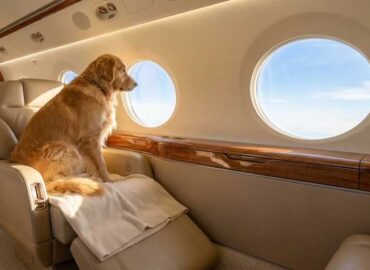
Entering the world of private aviation can feel like learning a new language. Terms like “ferry fees,” “Part 135,” and “FBOs” are thrown around, often obscuring the simple goal: getting you from Point A to Point B in total comfort.
At Charter Wind, we believe an educated client is our best client. This guide strips away the jargon to provide a transparent look at how to charter an aircraft in 2026, ensuring you get the safety you require at a fair market price.
How Does Aircraft Charter Work?
Aircraft charter is the on-demand rental of an entire aircraft for a specific itinerary. Unlike commercial airlines, you dictate the schedule, the departure airport, and the passenger list. Pricing is typically calculated by “billable flight hours,” which includes the positioning of the aircraft, fuel, crew fees, and landing taxes. You pay for the whole plane, not per seat.
Step 1: Choosing the Right Aircraft for the Mission
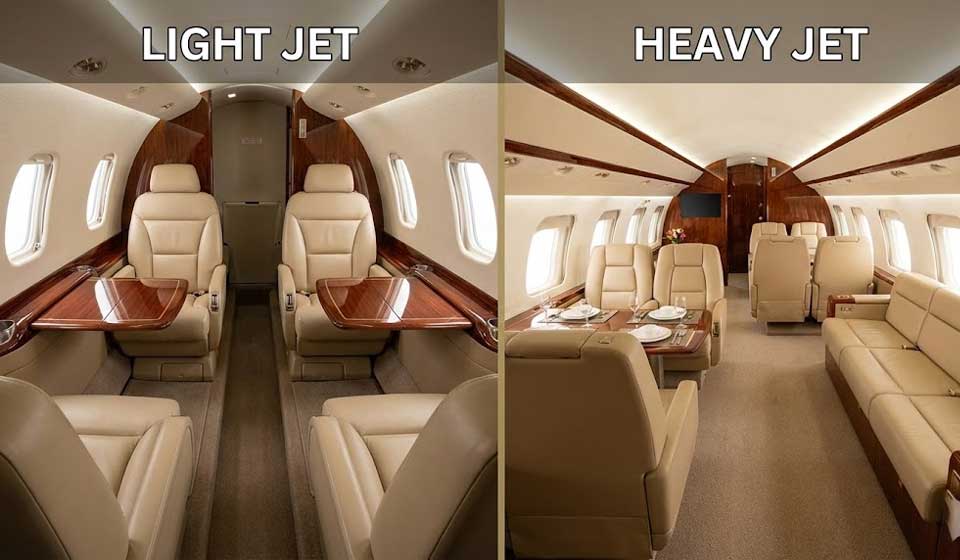
One of the most common mistakes is overpaying for “too much plane” or booking an aircraft that requires a fuel stop. Here is the 2026 hierarchy:
Turboprops (The Regional Workhorses)
- Ideal Mission: Short hops (under 2 hours), accessing small islands or mountain runways (e.g., St. Barths, Courchevel).
- Top Picks: Pilatus PC-12, King Air 350i.
- Why: They are cost-effective and can land where jets cannot.
Light & Super Light Jets
- Ideal Mission: Domestic business trips (e.g., Paris to London, New York to Miami).
- Top Picks: Phenom 300, Citation CJ4.
- Why: Speed and efficiency for 4-6 passengers.
Heavy & Ultra-Long Range Jets
- Ideal Mission: Intercontinental travel (e.g., Los Angeles to Tokyo).
- Top Picks: Gulfstream G650, Global 7500.
- Why: Full stand-up cabins, bedrooms, and 12+ hour range. Perfect for our Executive Charters.
Step 2: Understanding the Pricing Structure
When you receive a quote, it is vital to know what you are looking at. A transparent quote should include:
- Hourly Rate: The base cost of the aircraft (e.g., $8,000/hour for a Heavy Jet).
- Fuel Surcharge: Adjustments based on current global oil prices.
- Landing & Handling Fees: Charged by the airport and the FBO (private terminal).
- Crew Overnights: If the pilots need to stay overnight while you attend a meeting, their hotel and per diem are billable.
- De-Icing (The Wildcard): In winter, this is never included in the base quote and is billed after the flight if necessary. It can range from $1,000 to $10,000.
Insider Tip: Always ask if the quote is “Hard” (fixed) or “Soft” (estimated). At Charter Wind, we strive for Hard Quotes to prevent billing surprises.
Compare Real-Time Charter Estimates
Want to see how these variables affect the price? Use our instant estimator to check rates for your next route.
Step 3: Safety Ratings (ARGUS & Wyvern)
Not all operators are created equal. In the US and Europe, legitimate charters operate under Part 135 (or AOC in Europe) regulations, which are far stricter than private pilot rules.
To ensure your safety, look for third-party audits:
- ARGUS Gold / Platinum: Indicates the operator has undergone rigorous on-site safety audits and pilot background checks.
- Wyvern Wingman: A similar high-standard audit focusing on maintenance protocols and crew experience.
Charter Wind Policy: We only source aircraft from operators that meet these elevated safety benchmarks.
Step 4: The Secret of “Empty Legs”
You may have heard of “Empty Legs” or “Ferry Flights.” These occur when an aircraft needs to reposition to pick up a paying client.
- The Pro: You can book these flights for up to 75% off the standard charter rate.
- The Con: They are volatile. If the primary client cancels or changes their schedule, your empty leg is cancelled.
- Verdict: Excellent for flexible leisure travel, but risky for strict business deadlines. Check our Empty Leg Flights page for current opportunities.
Step 5: Jet Cards vs. On-Demand Charter
Frequent flyers often ask if they should buy a Jet Card.
- On-Demand Charter: Best for those flying under 25 hours a year. You pay market rates trip-by-trip. No upfront capital.
- Jet Cards: Best for those flying 25+ hours. You pre-pay for hours at a fixed rate. Guaranteed availability, but your money is tied up.
Final Checklist Before You Book
- Passenger Count: Ensure the aircraft has enough legal seats (including belted lavatories if necessary).
- Luggage: Skis and golf clubs do not fit in every light jet. Be specific about your cargo.
- Wi-Fi: Do not assume it is free. On heavy jets, Ka-band is fast but can be expensive. Ask for an “All-Inclusive” connectivity package.
Chartering an aircraft gives you the ultimate luxury: time. By understanding these rules, you ensure that your investment returns not just comfort, but peace of mind.